Our Story


Vancouver Mennonite Brethren Church

Vancouver Mennonite Brethren Church

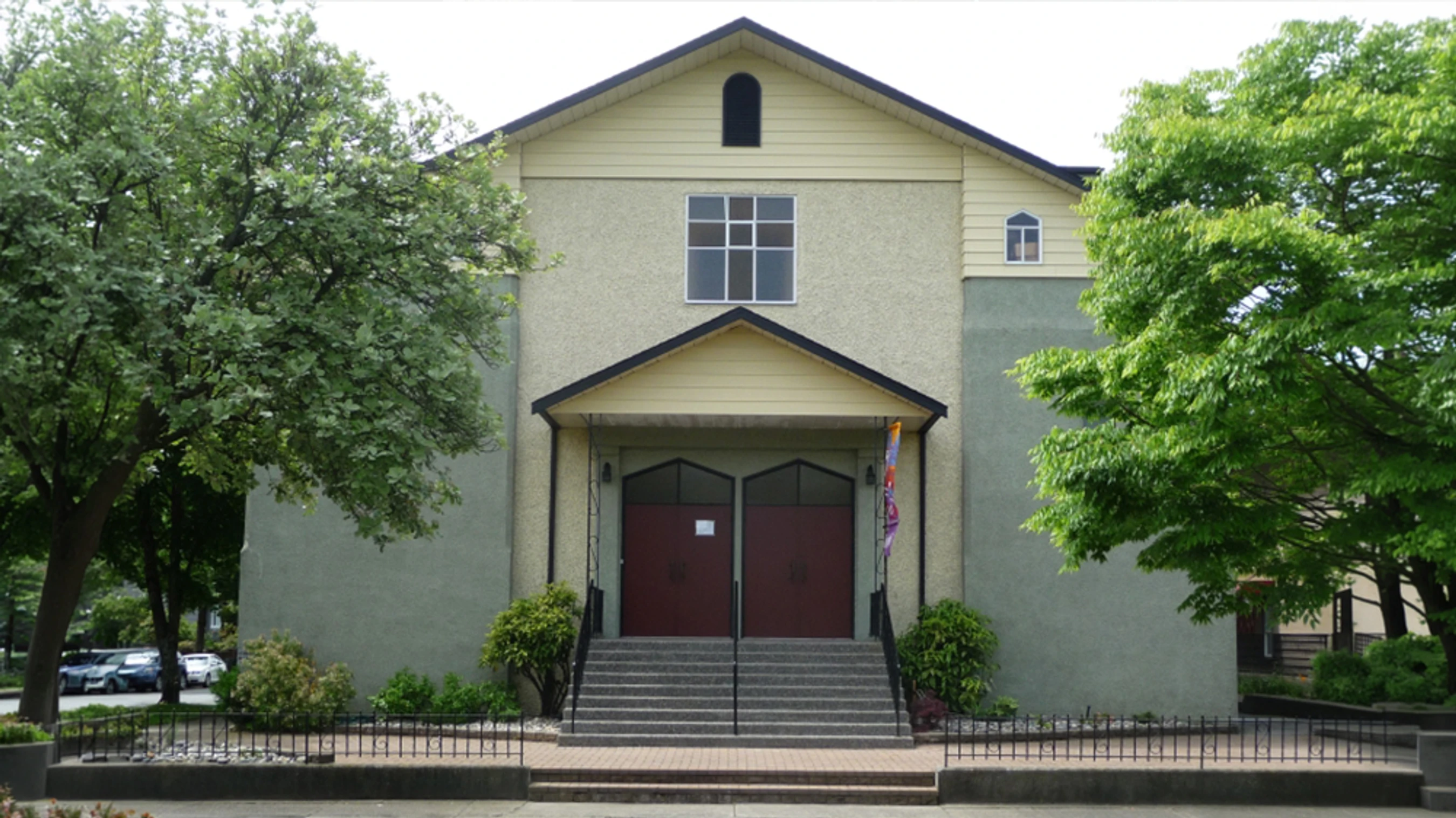
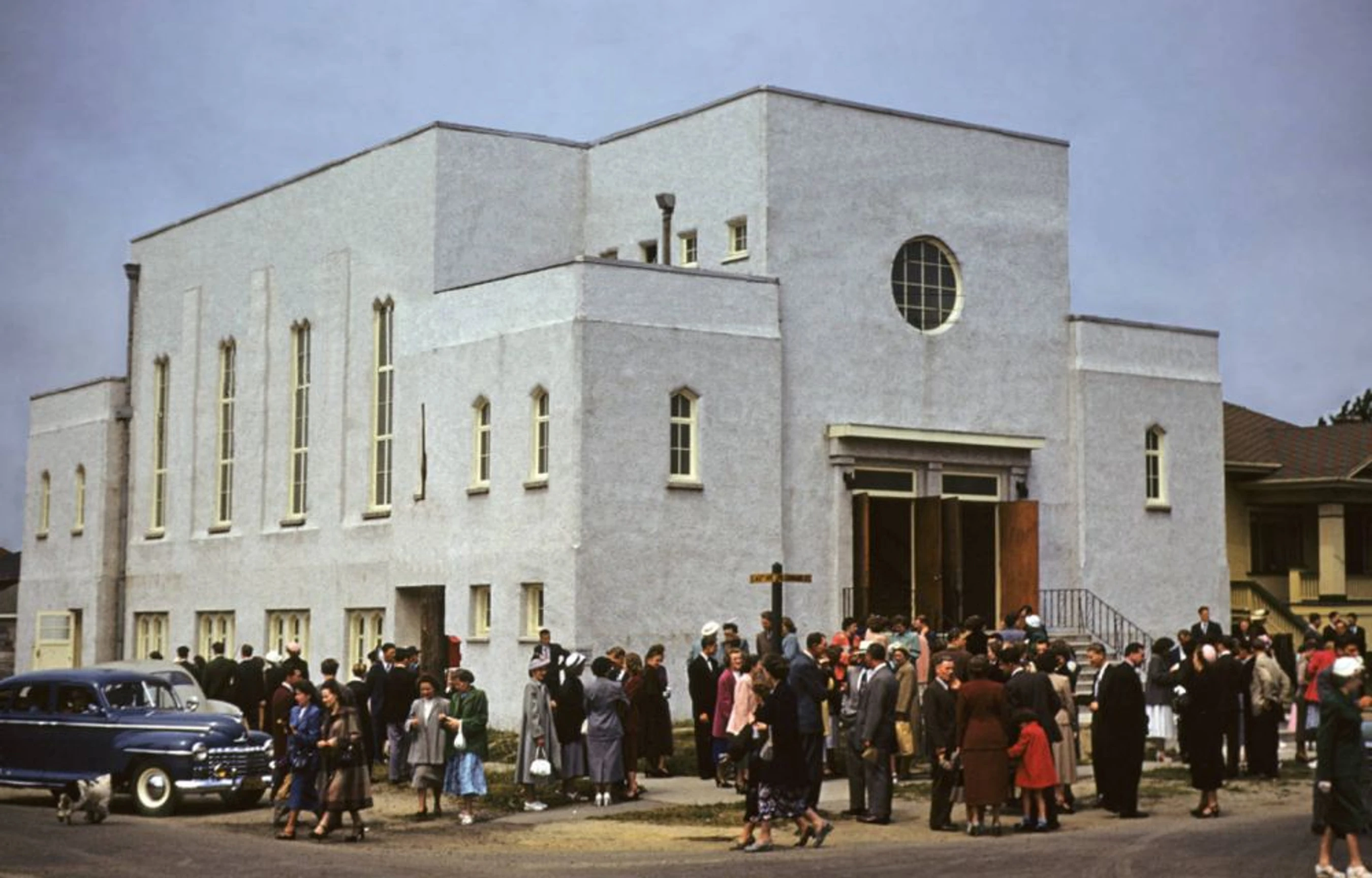
In the 1930s a group of Mennonite Brethren families and single women living in Vancouver began meeting regularly in rented quarters. On May 30, 1937, the group formally organized to become the first Mennonite Brethren congregation in Vancouver (VMB), with a group of 37 members Work began on a church building in the early 1940s, with the sanctuary completed in 1944.  

The congregation originated through the urbanization of Mennonites from the Fraser Valley. These Mennonites had in turn immigrated to Canada from Russia and Europe at various times. The language spoken in the services was German, with the shift to English occurring in the 1950’s and ’60’s. For many years, services were conducted in both languages each Sunday morning and at the height of 1954 VMB had 683 members. 
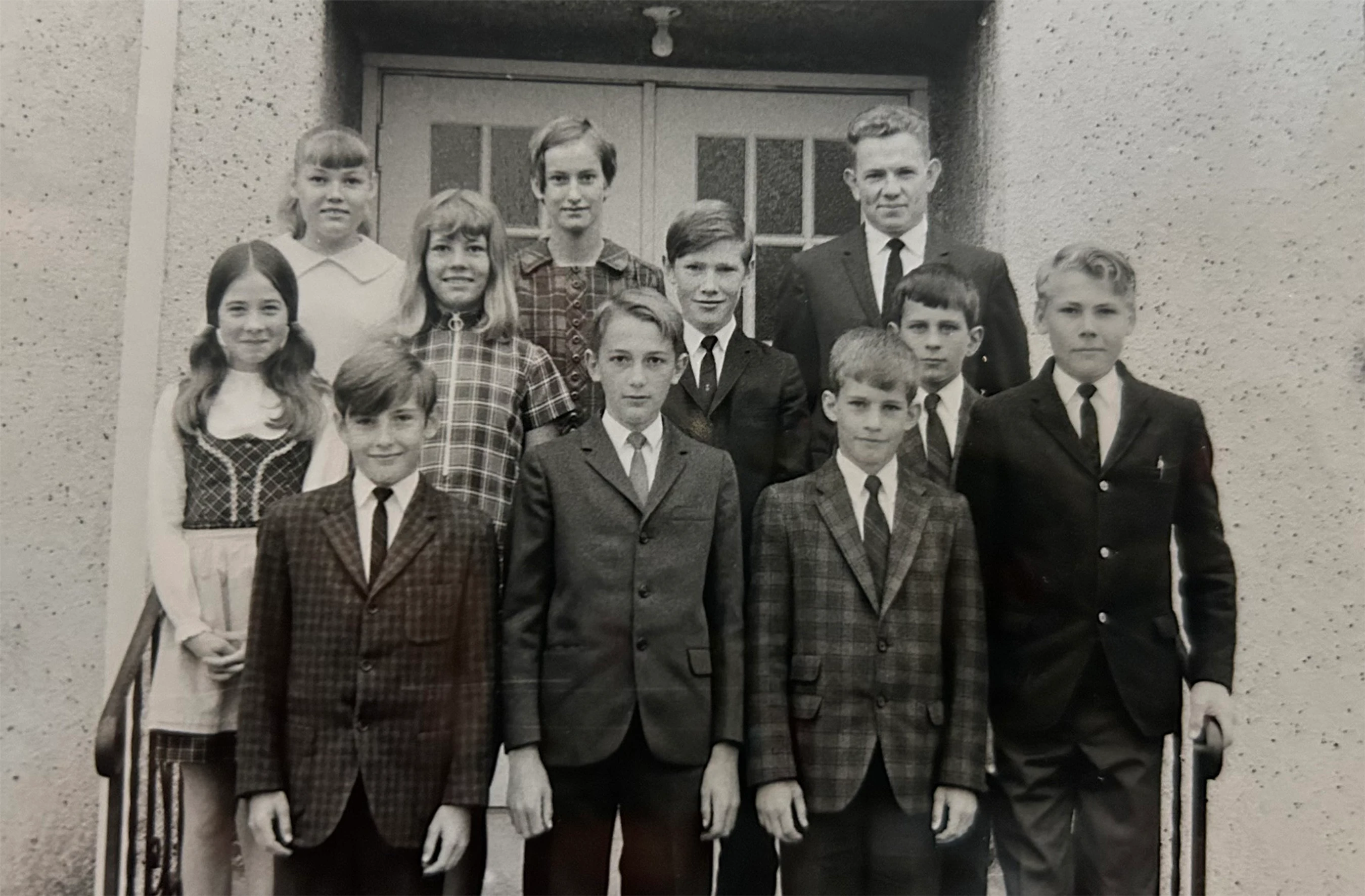
<span><span>With growing numbers and an inability to expand the building capacity, i</span><span>n the<span>&nbsp;</span></span><span>years that followed</span><span>,<span>&nbsp;</span></span><span>Fraserview</span><span><span>&nbsp;</span>MB (1954)<span>&nbsp;</span></span><span>and Willingdon MB (1961) were planted</span><span><span>&nbsp;</span></span><span>by members of VMB</span><span>, and<span>&nbsp;</span></span><span>a daughter church, Culloden MB, was built in 1969</span><span>, with<span>&nbsp;</span></span><span>75% of the VMB membership<span>&nbsp;</span></span><span>relocating to the new plant. Already, the culture of church planting had begun to<span>&nbsp;</span></span><span>emerge</span><span><span>&nbsp;</span>and would shape our vision of being<span>&nbsp;</span></span></span><span><b>a church planting church</b></span><span><span>.&nbsp;</span></span><span>&nbsp;</span>

With growing numbers and an inability to expand the building capacity, in the years that followed, Fraserview MB (1954) and Willingdon MB (1961) were planted by members of VMB, and a daughter church, Culloden MB, was built in 1969, with 75% of the VMB membership relocating to the new plant. Already, the culture of church planting had begun to emerge and would shape our vision of being a church planting church 

South Hill Church

South Hill Church

In 2007, VMB began discussions with the English language congregation of Pacific Grace MB Church to talk about ways in which the two congregations could plant a new congregation. A joint task force was formed in July and a proposal to merge was presented to both congregations on 16 September, 2007. Formal approval was given by the leadership of both congregations on 30 September, and a new name was given: South Hill Church.

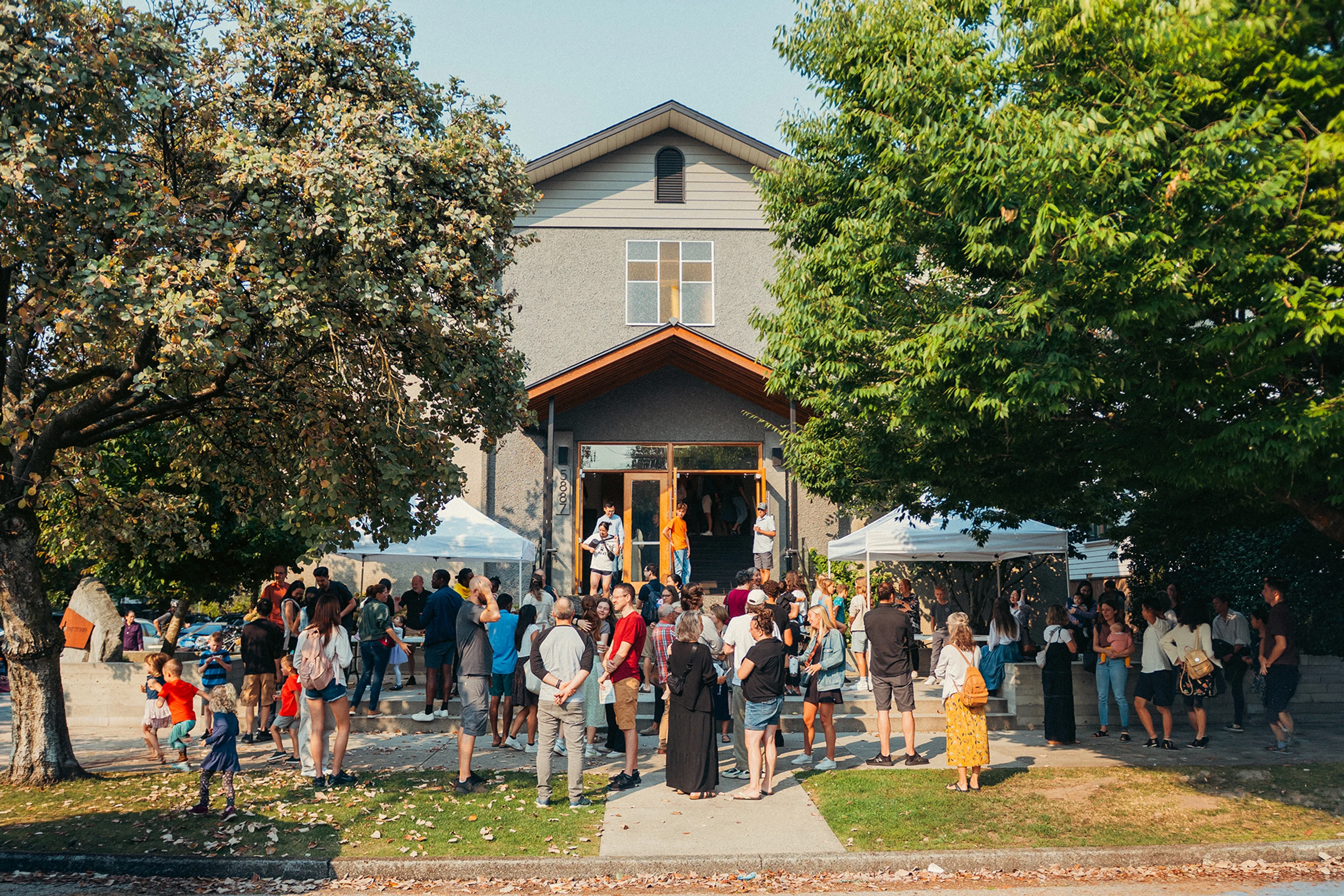
<span><span>The years as South Hill were significant for what Christ City would become, with a growing sense that, as the local community demographic changed, the church would need to adapt and consider new ways to contextually serve the neighbourhood. In 2013, a group from Westside Church (now Centre Church) were looking to plant in the South Vancouver area, and it was decided by the South Hill leadership, that this was an opportunity to<span>&nbsp;</span></span><span>to</span><span><span>&nbsp;</span>inject a new lease of life into the church</span><span>.&nbsp;<span>&nbsp;</span></span><span>A</span><span>fter six years</span><span><span>&nbsp;</span>as</span><span><span>&nbsp;</span>South Hill</span><span>, the congregation</span><span><span>&nbsp;</span>voted to disband<span>&nbsp;</span></span><span>and<span>&nbsp;</span></span><span>agreed to turn the building over to Chris</span><span>t</span><span><span>&nbsp;</span>City</span><span>, with many of the existing congregation joining the new plant.&nbsp;</span></span><span>&nbsp;</span>

The years as South Hill were significant for what Christ City would become, with a growing sense that, as the local community demographic changed, the church would need to adapt and consider new ways to contextually serve the neighbourhood. In 2013, a group from Westside Church (now Centre Church) were looking to plant in the South Vancouver area, and it was decided by the South Hill leadership, that this was an opportunity to to inject a new lease of life into the church After six years as South Hill, the congregation voted to disband and agreed to turn the building over to Christ City, with many of the existing congregation joining the new plant.  

Christ City Church

Christ City Church

Christ City Church was planted with the vision of establishing a network of neighbourhood churches to accommodate the unique needs of ministry in Vancouver – churches that were large enough to meet the demands of the city, but small enough to maintain community. And by God’s grace we have been able to do that.

<b><span></span><span></span><span class="h5"><span>2015</span><br></span></b><span>We partnered with The Bridge Church in Kitsilano to plant Christ City Kitsilano&nbsp;(now <a href="www.christchurchkitsilano.ca" target="_blank"><u>Christ Church Kitsilano</u></a>)</span>

2015
We partnered with The Bridge Church in Kitsilano to plant Christ City Kitsilano (now Christ Church Kitsilano)

2018
We sent a team into the Hastings Sunrise neighbourhood to plant Christ City East Vancouver (now Sunrise Church)
 

2023
A team from Christ City East Vancouver moved to Surrey to plant Christ City Surrey (now Redeemer City Church
 

<span><b><span class="h5">2025<br></span></b></span><span>We launched an <a href="/urban-chapel" target="_blank"><u>Urban Chapel</u></a> to be a missional church community in&nbsp;the Downtown&nbsp;Eastside.&nbsp;</span><span><b></b></span>

2025
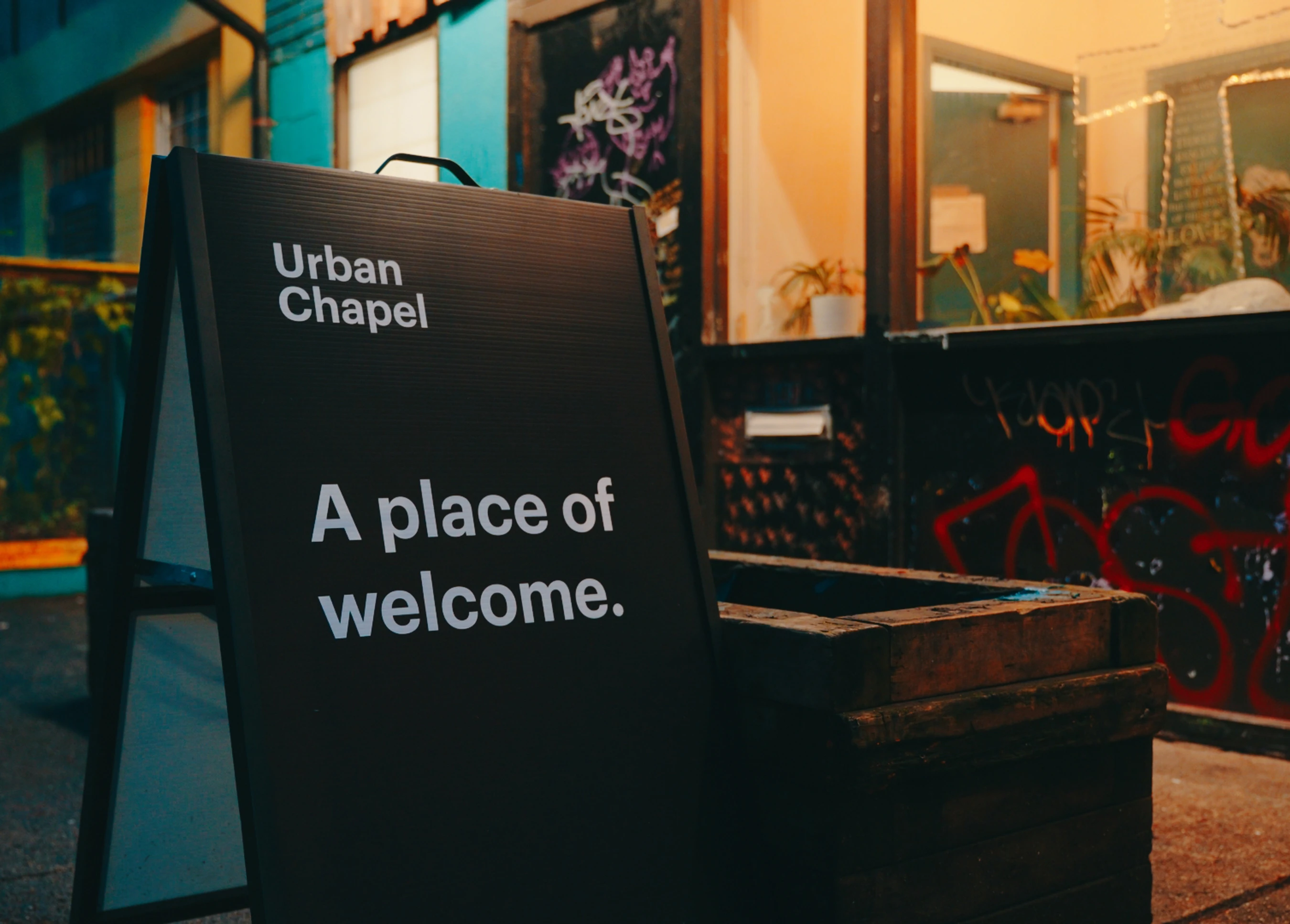
We launched an Urban Chapel to be a missional church community in the Downtown Eastside. 

2026
This September 
we are planning on sending a team to Richmond to plant Covenant City Church.

By the end of 2025, each of our churches had raised up and affirmed local elders who could provide governance and oversight, and each local congregation was in a position to be financially self-sustaining. Having planted the churches under the Christ City umbrella, we were excited to take the next step with each church becoming their own legal entity and operating under new names.  

We continue to partner with, serve alongside, and support one another as churches that share the same theological convictions and ministry values, and our desire is to continue to plant churches by raising up leaders and sending teams out into the harvest field.  

Our story has been one of God’s faithfulness. On the side of our building are two verses:  

1 Samuel 7:12 

Then Samuel took a stone and set it up between Mizpah and Shen and called its name Ebenezer; for he said, “Till now the Lord has helped us.” 

Genesis 22:8 

Abraham said, “God will provide for himself the lamb for a burnt offering, my son.” So they went both of them together. 

These verses speak to God’s presence with and provision for His people. We trust that He will continue to write a story through us for generations to come.